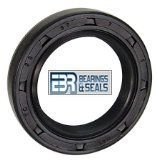
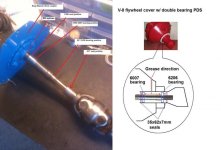
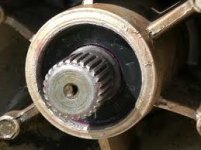
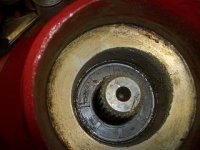
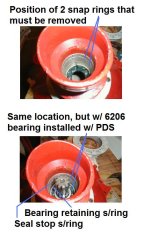
Does anyone know if there is a seal saver,aka redi sleeve, available for the coupler to pds? Mine has some pitting and a groove worn from the seal. Have used them successfully many times on harmonic balancers and spindles. Don't really want to replace that coupler if it can be repaired. Any suggestions or input would be appreciated. Thanks in advance. ps mine is a fine spline v8 coupler.
Home
Outboard Motor Parts
Chrysler outboard parts Evinrude outboard parts Force outboard parts Honda outboard parts Johnson outboard parts Mariner outboard parts Mercury outboard parts Suzuki outboard parts Tohatsu outboard parts Yamaha outboard partsInboard & Sterndrive Engine Parts
Chrysler Marine inboard parts Crusader Marine parts MerCruiser sterndrive parts OMC sterndrive parts Pleasurecraft Marine parts Volvo Penta marine parts + MoreAll Engine Brands
All Manuals HomeOutboard Repair Manuals
Chrysler outboard manuals Evinrude outboard manuals Force outboard manuals Honda outboard manuals Johnson outboard manuals Mariner outboard manualsMercury outboard manuals Nissan outboard manuals Suzuki outboard manuals Tohatsu outboard manuals Yamaha outboard manuals
Inboard & Sterndrive Engine Manuals
MerCruiser sterndrive manuals OMC sterndrive manuals Volvo Penta marine engine manualsPlease Note
MarineEngine.com does not offer troubleshooting assistance or repair advice by email or by telephone.
You are invited to join our public Boat Repair Forum to seek assistance from other members.
You may also visit the Boat Motor Manuals section of our site to obtain a service manual.